Optic Nerve Hypoplasia in Children: A Guide for Parents
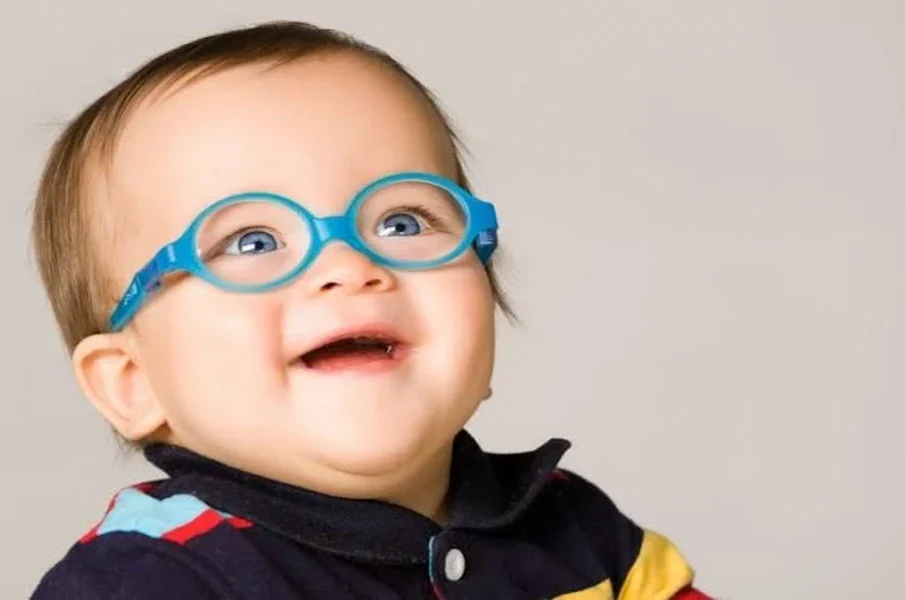
A diagnosis of optic nerve hypoplasia brings both urgent practical questions and genuinely difficult emotional considerations for parents navigating this diagnosis for their child, who deserve clear, honest information throughout this process. Optic nerve hypoplasia is a congenital condition in which the optic nerve doesn’t fully develop before birth, resulting in fewer nerve fibres than would typically be present in an unaffected child at that same age.
Resources specifically addressing stem cell therapy for optic nerve hypoplasia in children explain why comprehensive evaluation – extending well beyond the eye alone – should accompany any treatment discussion, since the degree of underdevelopment varies considerably between individual children and can occur alongside broader developmental and hormonal conditions requiring assessment.
Current research into stem cell therapy for ONH in children generally explores whether specific approaches can support the health of nerve fibres already present, rather than attempting to generate substantial new tissue where development simply never occurred before the child’s birth. Parents should understand clearly that this remains an early, still-evolving area of research without established, proven outcomes to date.
Given that ONH can be associated with broader developmental and hormonal considerations beyond the eye itself, a thorough evaluation – including detailed eye examination, appropriate imaging, and endocrine assessment where clinically relevant to the specific case – should genuinely precede any treatment discussion with a family considering their options going forward.
Responsible providers are direct with parents that current treatment approaches cannot reverse the underdevelopment that occurred before birth, and that realistic goals generally centre on supporting whatever visual function is currently present in the child. Parents are encouraged to connect with specialists experienced in pediatric eye conditions early in the diagnostic process, pursuing vision support and early intervention services alongside any ongoing medical evaluation being conducted.